Article

Technical gases for laser cutting

How oxygen and nitrogen affect cutting quality and process selection.

Technical gases for laser cutting

Cutting gas

Choosing the right cutting gas

Material removal takes place through blowing during laser cutting. This means material removal through heating, which creates the cut. To protect the tool and avoid cavities, the cutting gap is blown out in parallel with cutting gas.

Depending on the metal and its chemical properties, the suitable technical gas for laser cutting is selected to prevent oxidation of the cut surface.

Oxygen and nitrogen

Oxygen or nitrogen?

Laser flame cutting

Laser flame cutting

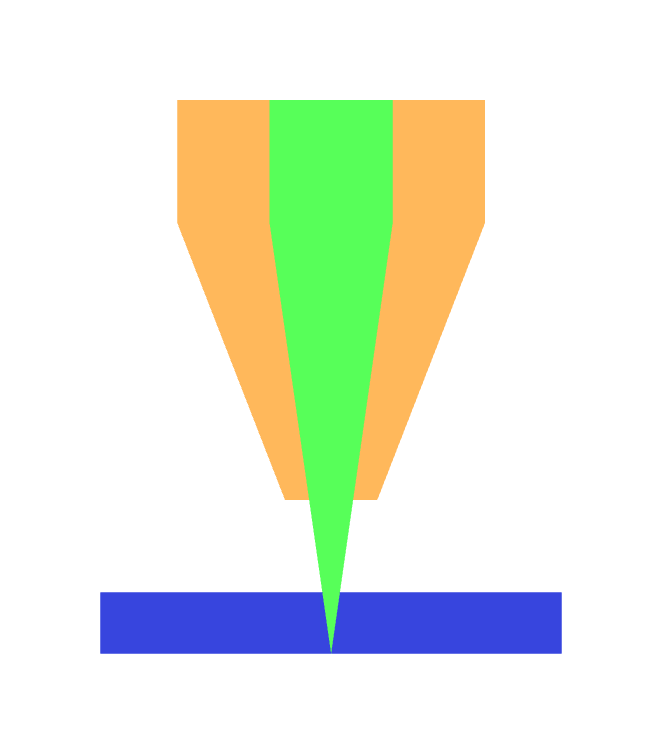
For metals with high iron content, laser flame cutting is applicable. Oxygen is used as the technical cutting gas, mainly for processing carbon steel.

The laser beam penetrates the metal and heats it. Oxygen is blown into the kerf under high pressure, and the heated metal then reacts with the oxygen.
Laser fusion cutting

Laser fusion cutting

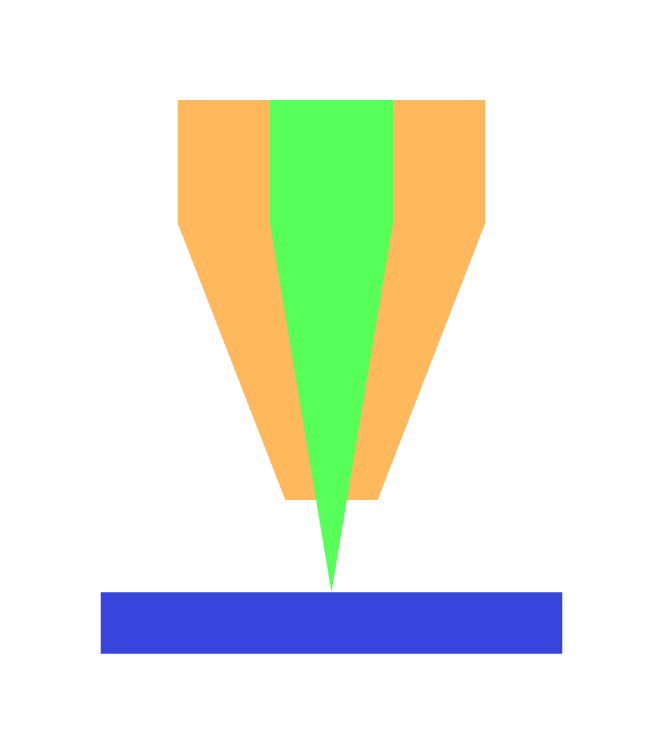
Laser fusion cutting guarantees consistently high cutting quality and exceptional precision. Nitrogen is used mainly for aluminum and stainless steel, but sometimes also for steel.

The melt created during the process is blown out by a gas jet, and the laser beam is precisely aligned so that unnecessary oxide does not form.
Production

Looking for the right manufacturer?

Use the registration button to sign up for our platform free of charge in just a few seconds and gain access to our full range. If you have already registered, you only need to log in to configure your next order.

Platform

Try the platform now

Register free of charge, upload your CAD drawing, and configure your laser-cut or bent parts directly online.